
HB4 9006 12V 51W super white auto halogen bulbs
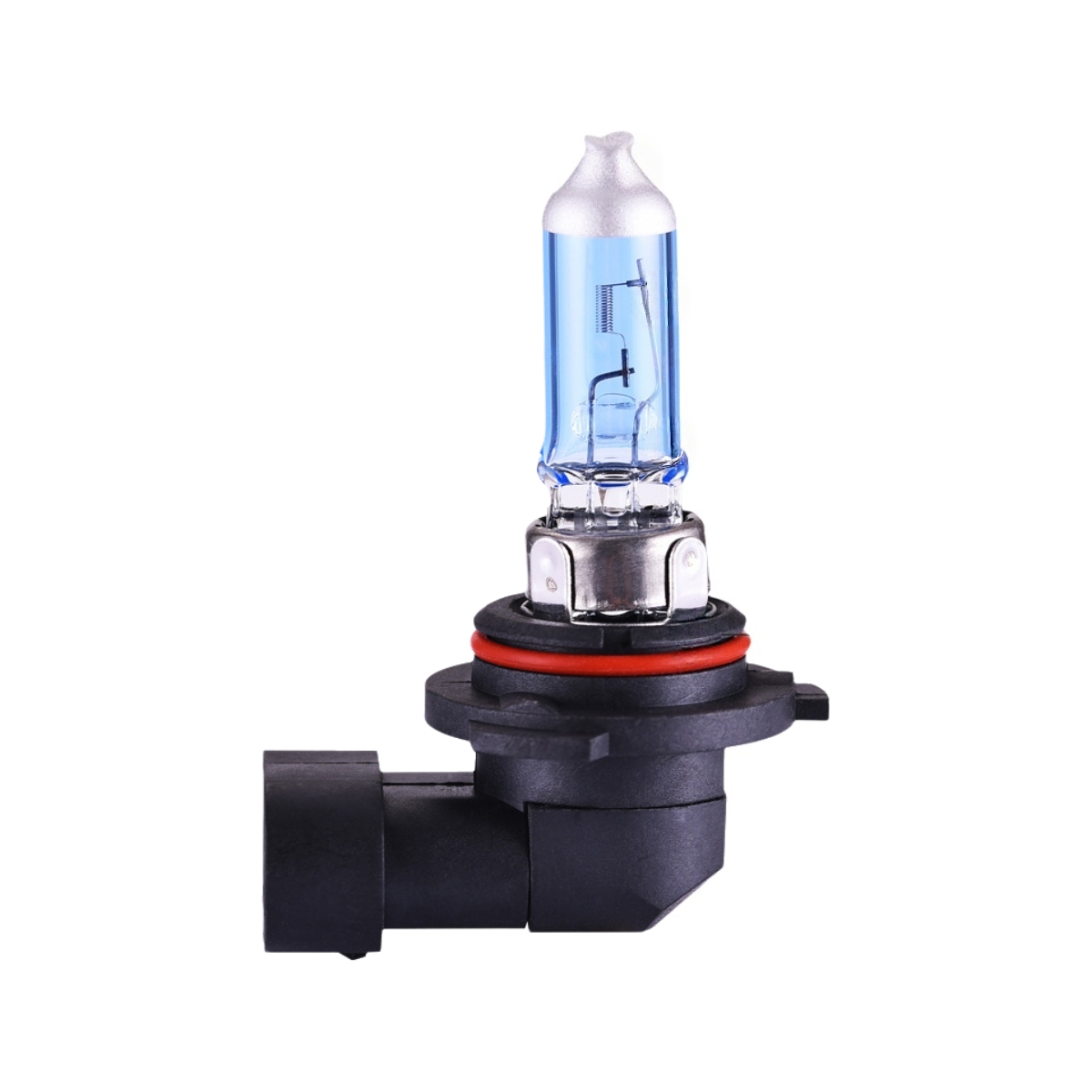
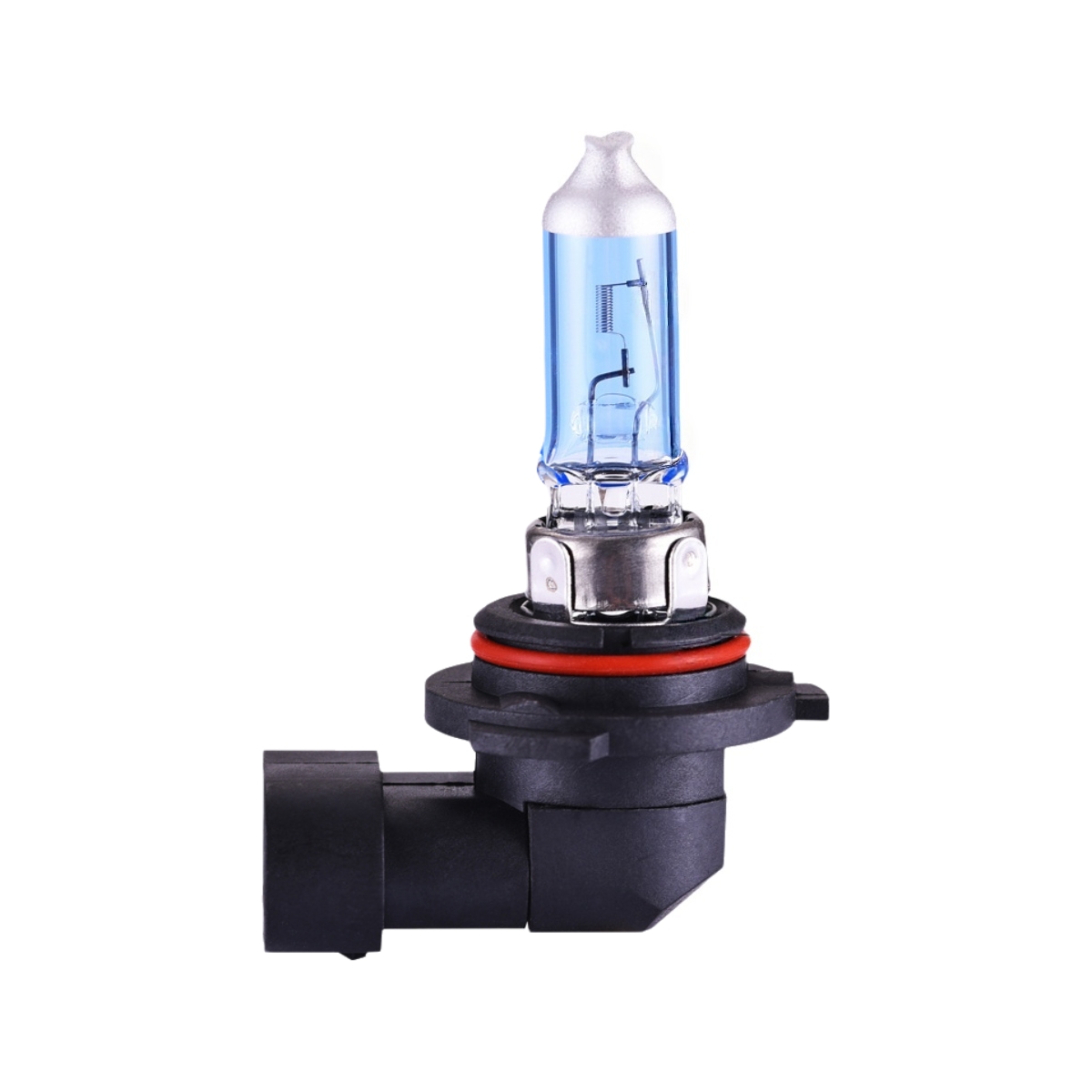 | 9006 hb4 12v 51w super white
|
HB4 9006 12V 51W auto halogen bulb is a common single-filament halogen bulb. It is usually used for low beam headlights or front fog lamps, depending on the vehicle.
1. Basic specification HB4 9006
Technology:Halogen
Voltage:12V automotive system
Nominal wattage:51W
Test voltage:Usually 13.2V
Base / socket:P22d
Filament:Single filament
Typical luminous flux:Around 1000 lm ±15%
Common use:Low beam/fog lamp
Standard color:Warm white, around 3200K
Premium white versions:Around 3450K–5000K depending on coating
Newbrown's Original Line HB4/9006 is listed as 12V, 51W, 13.2V test voltage, 1000 lm ±15%, P22d base.
2. What "HB4 / 9006" means
HB4 and 9006 usually refer to the same bulb type.
You may see it printed as:
HB4 9006 12V 51W P22d
The most important things to check are:
Marking Meaning
HB4 9006 Bulb type
12V For passenger car electrical system
51W Nominal power
P22d Base/socket type
So when selling or buying, do not only say "9006"; also check P22d base and 51W.
3. Electrical meaning
The current is approximately:
I=P/V=51/12≈4.25 A
So each HB4/9006 bulb draws around 4.25 A on a 12V system. In real cars, operating voltage is often around 13-14V when the engine is running. That is why official testing commonly uses 13.2V.
4. Brightness level
HB4/9006 is normally less bright than 9005/HB3, but it is designed for a different purpose.
H11: 55W Around 1350 lm; Low beam/fog
9006/HB4: 51W Around 1000 lm; Low beam/fog
9005/HB3: 60W Around 1700 lm; High beam
So HB4/9006 is not a "maximum brightness" bulb. It is more of a controlled-output low beam/fog bulb.
5. HB4/9006 vs HB3/9005
Wattage: 51W vs 60W
Base : P22d vs P20d
Typical lumens : Around 1000 lm vs Around 1700 lm
Common use: Low beam/fog vs High beam
Interchangeable: Not professionally recommended vs Not professionally recommended
Even if some people modify the tabs to fit, you should not recommend it for normal customers. The base, beam focus, wattage, and heat are different.
6. Lifetime
One important advantage of standard HB4/9006 bulbs is that the lifetime can be relatively good compared with stronger high-beam bulbs.
For example, OSRAM Original Line HB4/9006 lists:
Lifetime term Value
B3 lifespan 1200 hours
Tc lifespan 2590 hours
This means standard HB4/9006 can be quite durable in normal use.
But high-performance versions usually have shorter life. Philips X-tremeVision Pro150 HB4/9006 lists 600 hours lifetime, because it is designed for more light output rather than maximum life.
7. Color temperature
Standard HB4/9006 halogen bulbs are warm white, usually around 3200K.
Some premium bulbs use coating to look whiter. For example, Philips X-tremeVision Pro150 HB4 is listed at 3450K.
Important point:
Higher Kelvin does not always mean brighter.
A 5000K halogen bulb often uses blue coating. It may look whiter, but the coating can reduce some usable light. For rain, fog, and wet roads, normal warm halogen light can sometimes be more practical.
8. Quality points to check
For HB4/9006 bulbs, check these carefully:
Correct marking: Should show HB4 9006 12V 51W
Base : Must be P22d
O-ring seal: Prevents moisture entering the lamp housing
Filament position: Affects beam cutoff and glare
Glass quality: Needs heat resistance
Pair consistency: Left and right should match in color and brightness
Lumen test voltage: Compare at the same voltage, ideally 13.2V
E-mark/DOT/ECE: Important for road legality depending on market
Packaging: Prevents vibration damage during shipping
Some aftermarket suppliers also emphasize ECE approval, UV filter, and compliance with ECE-R37 for HB4 12V 51W P22d bulbs.